The Ban
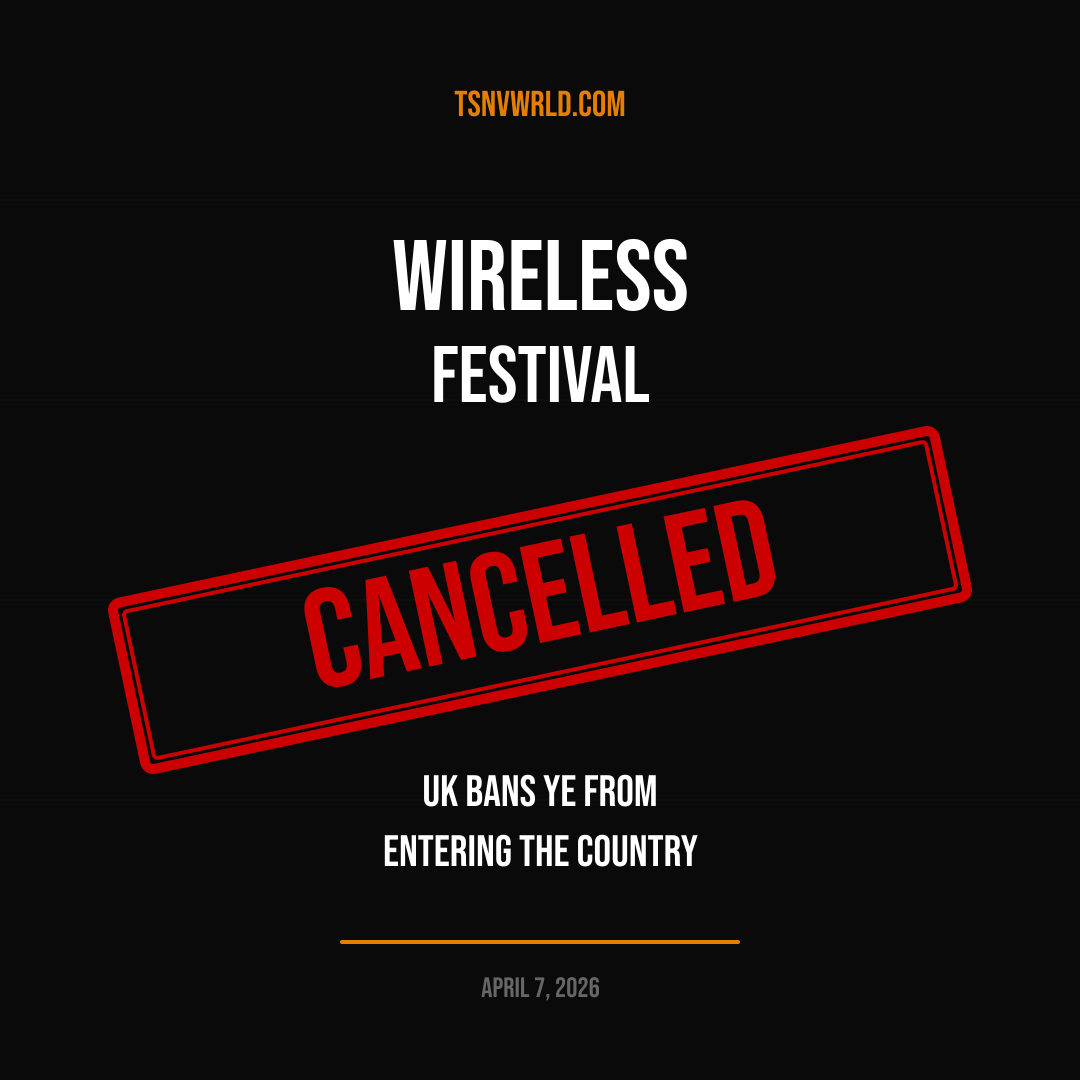
Wireless Festival, one of London’s biggest annual music events, has been cancelled after the UK Home Office withdrew Ye’s Electronic Travel Authorization, effectively barring the rapper from entering the country. Festival Republic, the Live Nation subsidiary that promotes Wireless, confirmed the cancellation on Tuesday, April 7, stating that all ticket holders would receive automatic full refunds.
The three-day event had been scheduled for July 10–12 at Finsbury Park in London, with Ye booked to headline all three nights. The booking, announced on March 30, would have marked Ye’s first UK performance in 11 years, following his 2015 Glastonbury headline set.
Rather than replace the headliner and proceed with the rest of the lineup, Festival Republic opted to scrap the entire event. No other artists had been publicly announced for the 2026 edition at the time of cancellation.
How It Unraveled
The backlash began almost immediately after Ye was announced as the sole headliner. UK Prime Minister Keir Starmer called the booking “deeply concerning,” while the Jewish Leadership Council, the Board of Deputies of British Jews, and London Mayor Sadiq Khan all publicly condemned the decision.
By Sunday, April 5, headline sponsor Pepsi — which had co-branded the event as “Pepsi MAX Presents Wireless” since 2015 — withdrew its partnership. Diageo, the parent company of Johnnie Walker and Captain Morgan, followed the same day. By Monday, Rockstar Energy, PayPal, and AB InBev had also cut ties with the festival.
Festival Republic managing director Melvin Benn initially defended the booking, describing himself as a “deeply committed anti-fascist” and arguing that Ye’s music was already available on UK radio and streaming platforms without controversy. That defense did not hold. On Tuesday, the government acted, revoking Ye’s travel authorization on the grounds that his presence would not be conducive to the public good.
Ye’s Response
Hours before the ban was announced, Ye issued his first public statement on the controversy, saying he wanted to come to London to present “a show of change, bringing unity, peace, and love through my music.” He added that he would welcome the opportunity to meet with members of the UK’s Jewish community.
The Board of Deputies of British Jews responded by saying the community would need to see genuine remorse and change before considering any meeting, and insisted that any such dialogue should not take place on the Wireless main stage. UK Health Secretary Wes Streeting said organizers had shown a “terrible error of judgment” in booking Ye in the first place.
A Pattern of Bans
The UK decision follows a similar move by Australia. In July 2025, the Australian government cancelled Ye’s visa after he released a song titled “Heil Hitler” that glorified the Nazi leader Adolf Hitler. Australia’s Home Affairs Minister Tony Burke said at the time that the country had “enough problems already without deliberately importing bigotry.”
Ye’s antisemitic actions over the past several years have been well documented. They include publicly praising Hitler and declaring himself a Nazi on social media in early 2025, selling swastika-branded merchandise on the Yeezy website, and releasing the aforementioned track, which was banned from all major streaming platforms and in Germany under its laws against extremist content.
In January 2026, Ye took out a full-page ad in The Wall Street Journal apologizing to the Jewish and Black communities, citing his bipolar disorder and describing his past behavior as the result of manic episodes during which he “lost touch with reality.”
The Comeback That Collided With Controversy
The Wireless booking was part of Ye’s broader return to touring and mainstream visibility. His twelfth studio album Bully, released on March 28 through his independent YZY imprint and distributor Gamma, debuted at No. 2 on the Billboard 200 with 152,000 equivalent album units. It topped the Top Streaming Albums chart with 96,000 streaming units, equivalent to 98.43 million on-demand streams, alongside 56,000 in traditional album sales.
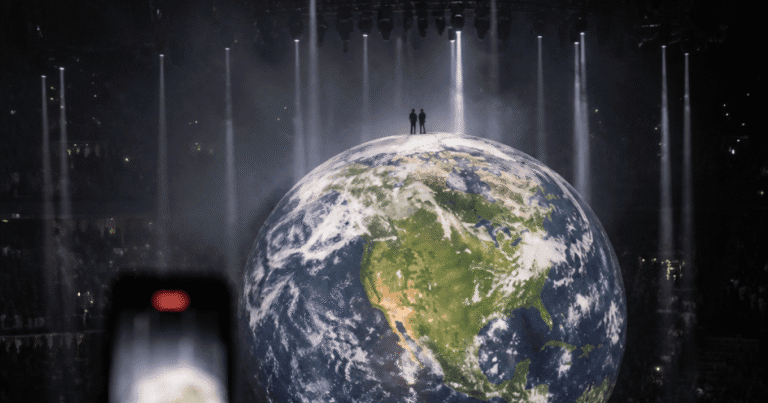
In the weeks leading up to the album’s release, Ye performed two sold-out shows at SoFi Stadium in Los Angeles, marking his first major US concert appearances in nearly five years. The Wireless dates were intended to carry that momentum to Europe. Instead, they became the flashpoint that exposed the limits of his attempted rehabilitation.
What’s Next
With Wireless cancelled and refunds being processed automatically, the immediate question is whether the ban will ripple into Ye’s other planned European dates. The Wireless performances were part of a broader touring schedule running from April through August 2026. Whether other countries on that itinerary will follow the UK and Australia in blocking his entry remains to be seen.
For Wireless Festival itself, which has been running since 2005 and drew approximately 50,000 people per day in recent years, the cancellation is a significant blow. Festival Republic has not indicated whether it intends to reschedule or simply write off the 2026 edition entirely.

Leave a Reply